⚖️ Bike Retailer Liability: Core Risks
- The Liability Standard: Shops can be held strictly liable for selling defective bikes or components.
- Common Claim: Assembly negligence, such as loose handlebars, incorrectly adjusted brakes, or over-torqued carbon parts.
- Recall Duties: Shops have a legal obligation to stop selling recalled products and warn previous buyers.
- Best Shield: A professionally drafted "Bicycle Repair Agreement & Liability Waiver" form signed by every customer.
Operating a local bicycle shop is a dream business for cycling enthusiasts, but from a legal standpoint, it is a high-risk venture. Bicycles are vehicles capable of high speeds, and when a mechanical failure occurs, it often results in severe, life-altering injuries. If a customer crashes shortly after a repair or purchase, the bike shop is almost always the first target of a lawsuit. Navigating the intersection of product liability, assembly negligence, and customer waivers is essential to keeping your doors open. Here is a breakdown of the primary legal risks faced by bicycle retailers and how to manage them.
1. Product Liability: Strict Liability for Retailers
Many shop owners incorrectly assume that if a manufacturer defects a component (such as a cracked fork, a failing disc brake, or a lithium-ion battery fire), the manufacturer is the only party liable. In the United States, product liability laws follow a doctrine known as strict liability. Under this rule, any business in the supply chain—including the retail shop that sold the bike—can be held liable for injuries caused by a defective product.
If a manufacturer is based overseas or goes bankrupt, the injured customer can seek full compensation from your shop. While carrying robust General Liability and Product Liability insurance is vital, shop owners must also vet their suppliers. Avoid importing generic, unbranded frames or batteries directly from overseas suppliers who do not carry US-admitted insurance policies, as you will inherit 100% of the product liability risk.
2. Assembly Negligence: The Mechanic's Duty of Care
While product liability deals with defective items, assembly negligence covers errors made by shop staff during assembly, tuning, or repair. In a negligence lawsuit, the plaintiff must prove that the shop breached its "duty of care" and that this breach directly caused the crash. Common examples of assembly negligence include:
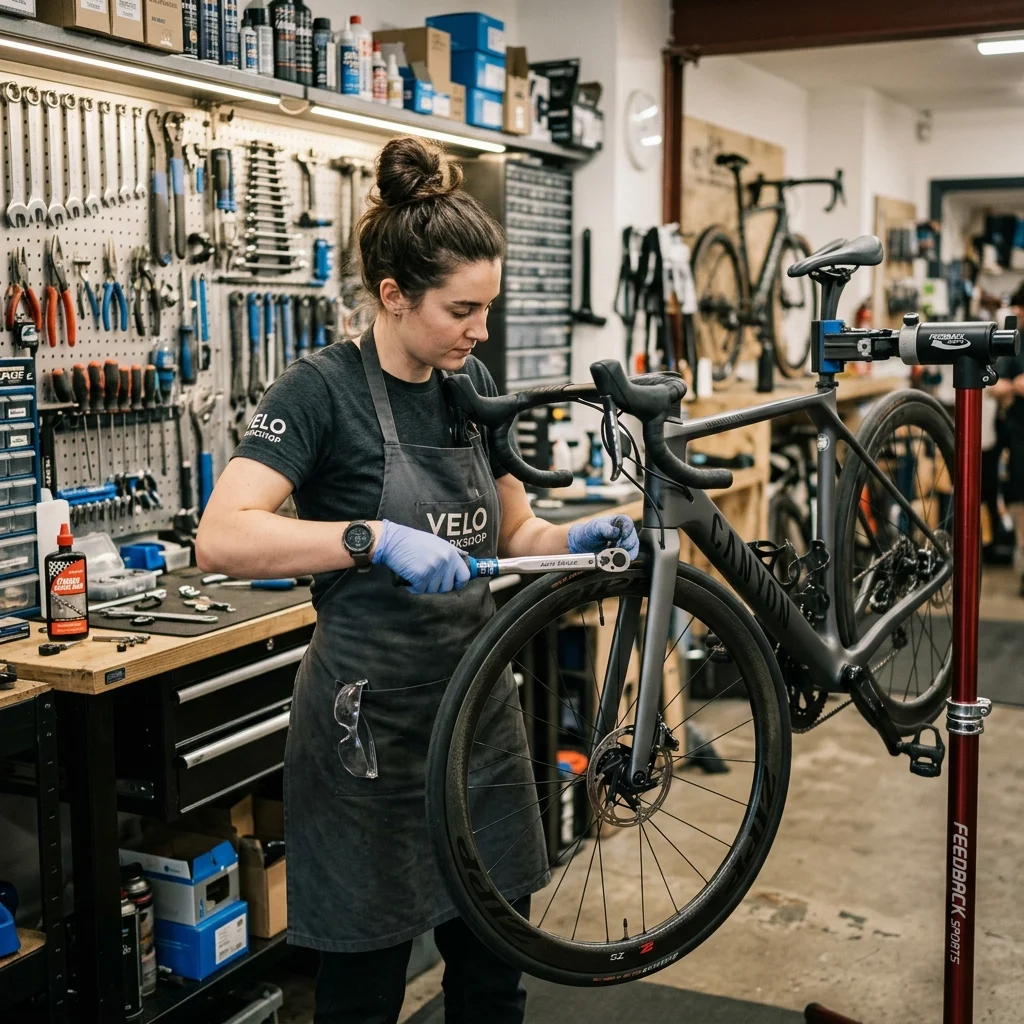
- Stem and Handlebar Slippage: Failing to tighten the stem faceplate or steerer tube pinch bolts to the manufacturer's specified torque, causing the bars to twist during a ride.
- Defective Brake Setup: Leaving brake pads unaligned, failing to bleed hydraulic lines, or leaving cable anchors loose.
- Over-Torquing Carbon Fiber: Using standard Allen keys instead of a calibrated torque wrench on carbon frames, causing micro-fractures that lead to catastrophic tube failure.
- Incorrect Wheel Assembly: Failing to secure quick-release levers or thru-axles properly before handing the bike to the customer.
To defend against negligence claims, shops must establish a strict **Double-Check Checklist**. Every bike assembled or repaired should be signed off by a second mechanic who verifies critical torque values and safety features (like brake engagement and wheel security) before the bike is wheeled out to the customer. Maintaining these checklists in a digital database creates a powerful paper trail to defend against future lawsuits.
3. Navigating Manufacturer Recalls: The Retailer's Duty
When a manufacturer or the Consumer Product Safety Commission (CPSC) issues a product recall, the retailer's legal obligations start immediately. Continuing to sell a recalled item (such as a specific carbon handlebar or e-bike battery) is a violation of federal law and constitutes negligence per se in a civil lawsuit, meaning the shop is automatically presumed negligent.
Furthermore, shops have a duty to act in good faith to notify past buyers of the recall. If you have customer records showing someone purchased the recalled component, you should send an email and registered letter warning them to stop riding. Failure to take reasonable steps to warn customers of a known safety defect after a recall is announced can expose the shop to punitive damages.
"Recalls are not just a manufacturer's issue. Keep an active database of customer purchases linked to serial numbers. If a fork or brake is recalled, cross-reference your sales records immediately, contact the buyers, and document your outreach efforts to protect your business."
4. The Power of the Repair Agreement & Liability Waiver
A "Bicycle Repair Agreement" is a legal contract signed by the customer before work begins. While you cannot contract away gross negligence (like intentionally sending someone out with unbolted brakes), a well-drafted liability waiver can shield your shop from standard negligence claims and disputes over ride testing. The agreement should contain:
- Assumption of Risk: The customer acknowledges that cycling is an inherently dangerous sport with risks of collision, trail hazards, and equipment wear.
- Release of Liability: The customer agrees to release the shop and its employees from claims arising from normal wear, test rides, or component compatibility issues.
- Authorization to Test Ride: Gives the mechanics explicit permission to ride the bike on public streets to verify repairs, protecting the shop if a mechanic is struck by a vehicle during a test ride.
- Warranty Disclaimer: States that the shop passes through manufacturer warranties but does not offer independent structural warranties on secondary components.
Frequently Asked Questions
Does my business insurance cover customer test rides?
Most commercial general liability policies for bicycle shops cover customer test rides, but they often require the customer to sign a brief "Test Ride Waiver" and wear a helmet during the ride. Verify your policy's specific exclusions regarding customer test rides before letting someone ride a high-end road or electric bike.
Are online waivers legally binding for bike repairs?
Yes. Digital signatures collected via tablets or shop POS software (like Lightspeed or Ascent) are fully binding under the federal ESIGN Act, provided the customer has a clear opportunity to read the terms before signing and a copy is emailed to them automatically.

