🚗 Collision Guide: Post-Accident Checklist
- Immediate Action: Move to safety, check for injuries, call 911 immediately.
- Evidence Needed: Photos of all vehicle damage, contact info of witnesses.
- Critical Warning: Never apologize or admit fault at the scene.
- Statute of Limitations: Personal injury claims must be filed within 1–3 years depending on the state.
A car accident is a jarring and stressful experience. In the chaotic minutes following a collision, adrenaline is high, and it is easy to make mistakes that can jeopardize your health and your legal rights. Whether you are dealing with minor property damage or serious physical injuries, the steps you take at the accident scene and in the days that follow are critical for your insurance claim and potential personal injury lawsuit. This step-by-step checklist outlines exactly what you should do.
1. Prioritize Safety and Call Emergency Services
Your immediate priority must be safety. If possible, move your vehicle to the shoulder of the road to avoid blocking traffic. Turn on your hazard lights. Check yourself and your passengers for injuries. If anyone is hurt, or if the vehicles block traffic, call 911 immediately. In most jurisdictions, you are legally required to report collisions involving injury or significant property damage to the police.
2. Gather Critical Evidence at the Scene
While waiting for the police to arrive, gather as much evidence as possible. The information you collect now is vital for establishing liability later. Use your smartphone to take high-resolution photos and videos of:
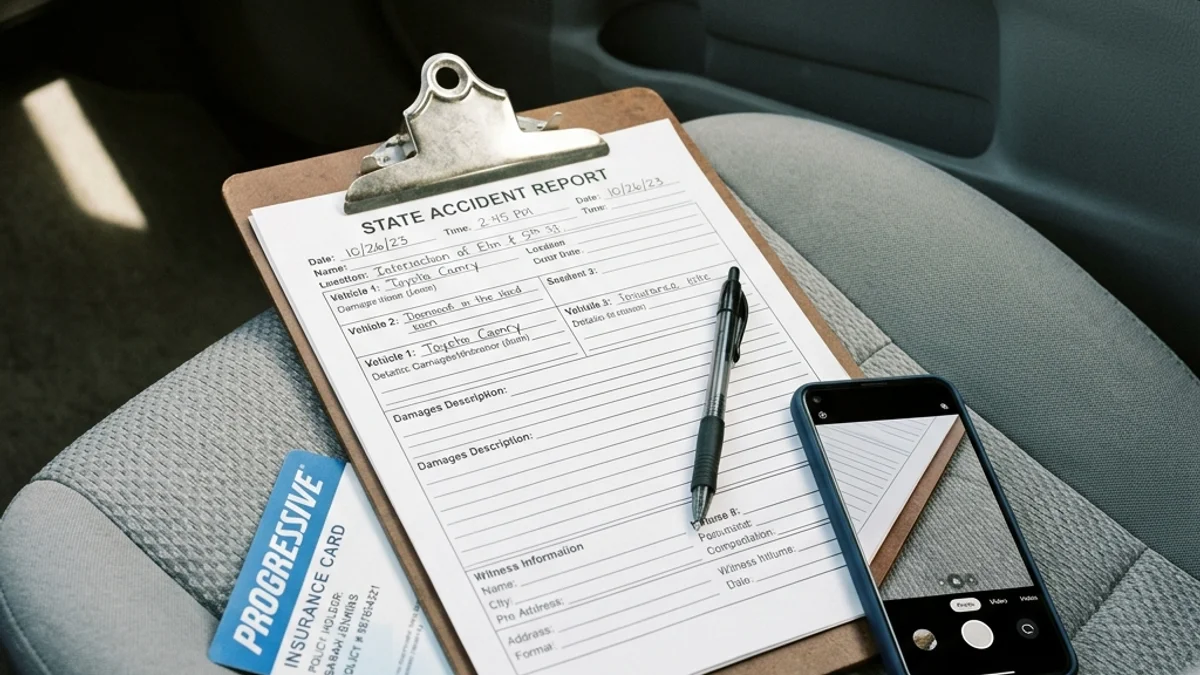
- The damage to all vehicles involved (close-up and wide shots).
- The position of the vehicles relative to the roadway, traffic signals, and skid marks.
- The license plates of all vehicles.
- The contact and insurance information of the other driver(s).
- Contact information of any eyewitnesses who stopped to help.
"Be polite but cautious in your interactions. Never say 'I'm sorry' or suggest the accident was your fault. Even polite apologies can be recorded by the police or the other driver and used by insurance companies to deny liability."
3. Seek Medical Attention Immediately
Even if you feel fine, seek medical evaluation. Adrenaline can mask pain, and common collision injuries like whiplash, internal bleeding, or concussions might not show symptoms for hours or days. Seeking immediate medical care ensures your health is protected and creates a direct, official medical record linking your injuries to the accident, which is crucial for bodily injury claims.
4. Notify Your Insurance Company
Report the accident to your auto insurance provider as soon as possible. Be honest about the facts, but do not speculate or give a recorded statement to the *other* driver's insurance adjuster without consulting an attorney. Insurance adjusters are trained to minimize payouts and may twist your words to reduce their client's liability.
Frequently Asked Questions
What is the difference between fault and no-fault states?
In 'fault' states, the driver who caused the accident is responsible for the damages, usually paid through their liability insurance. In 'no-fault' states (like New York or Florida), each driver's own insurance pays for medical bills and lost wages through Personal Injury Protection (PIP), regardless of who caused the crash.
Do I need a personal injury lawyer?
If the accident only involved minor property damage, you can likely handle the claim directly with the insurance companies. However, if you suffered severe injuries, missed work, or face pushback from insurance adjusters, hiring a personal injury attorney on a contingency fee basis (where they only get paid if you win) is highly recommended.

