⚖️ Product Liability: E-Commerce Guardrails
- Target Audience: Online retailers selling bicycle gear, components, or custom bikes.
- Primary Threat: Defect claims (design, manufacturing, or warning defects) leading to personal injury lawsuits.
- Mitigation Strategy: Incorporating under a strong business structure (LLC or C-Corp), using strict supplier contracts, and maintaining compliance check logs.
- Key Benefit: Protects your personal assets from corporate debt or customer lawsuits.
The rise of e-commerce has made it easier than ever for entrepreneurs to source and sell bicycle gear online. However, selling physical products—especially safety-critical components like carbon handlebars, brake pads, helmets, or e-bike batteries—comes with significant legal risk. If a customer crashes and suffers injuries due to a product failure, your business can face a devastating product liability lawsuit. In the United States, e-commerce retailers can be held strictly liable for selling defective goods, even if they did not manufacture the item themselves. This guide outlines the legal guidelines, compliance checklists, and risk-mitigation strategies to safeguard your online store.
1. The Strict Liability Standard in E-Commerce
Under US product liability law, a doctrine known as **strict liability** applies to the supply chain. This means an injured customer does not have to prove that your online store was negligent; they only need to prove that the product was defective and that the defect caused their injury. Because you are in the chain of distribution, you can be sued along with the manufacturer and wholesaler.
There are three primary types of defects that trigger liability:
- Design Defects: The product's design is inherently unsafe, regardless of how carefully it was manufactured.
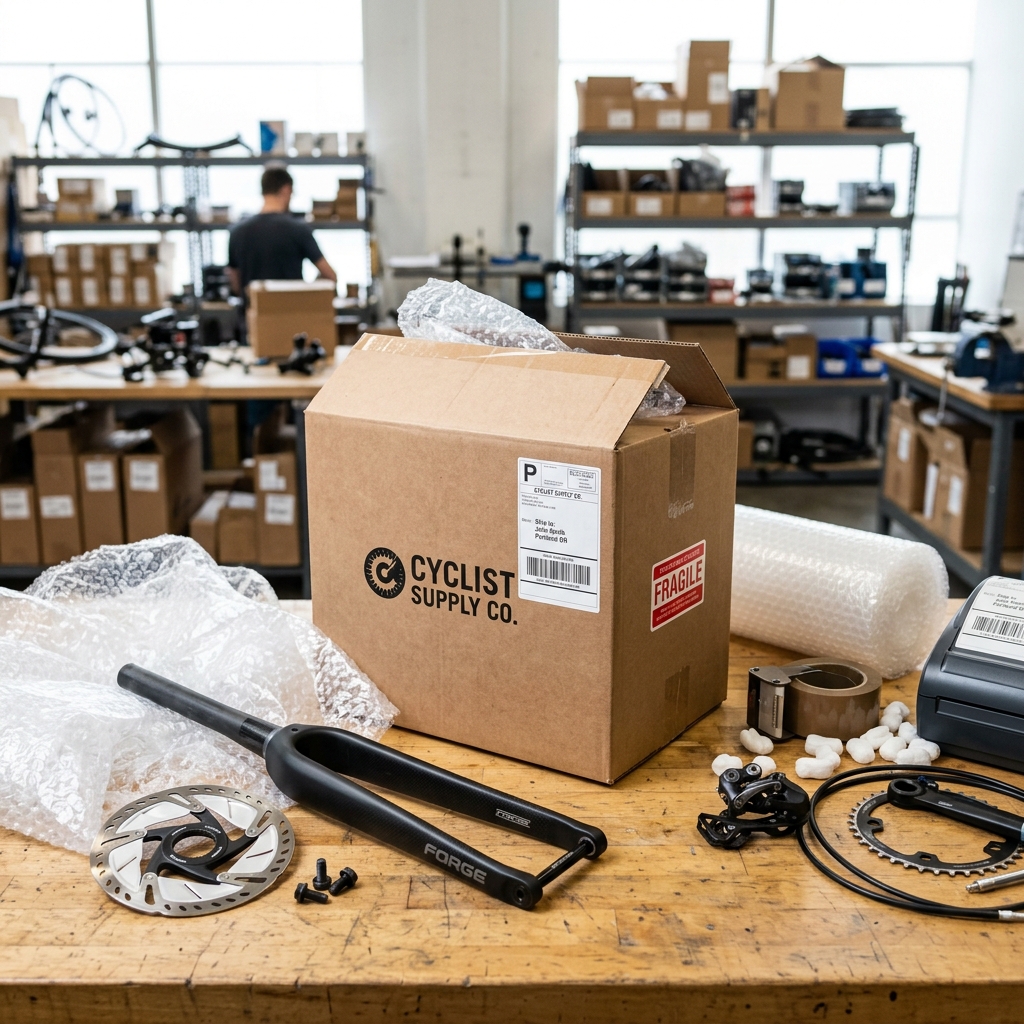
- Manufacturing Defects: The design is safe, but a mistake during production made a specific batch of products dangerous (e.g., a void in a carbon fork structure).
- Marketing/Warning Defects: The product lacked adequate instructions or warning labels regarding safety risks (e.g., failing to specify torque limits for carbon clamps).
2. Protecting Assets with the Right Business Structure
Operating an e-commerce shop as a sole proprietorship is a recipe for financial ruin. If a customer sues you over a defective product, your personal assets (your house, savings, and vehicle) are at risk. To protect yourself, you must register a formal business structure:
- Limited Liability Company (LLC): The default choice for small-to-medium e-commerce sites. It creates a legal shield separating your personal assets from the business's liabilities.
- C-Corporation (C-Corp): Required if you plan to seek venture capital or offer stock options. It provides the same liability protection as an LLC but has more complex tax and administrative requirements.
"Maintaining your liability shield requires a strict separation of corporate and personal finances. Never pay personal bills from your business bank account, and always sign contracts in your capacity as a corporate officer rather than as an individual."
3. The E-Commerce Supplier Contract Checklist
If you source gear from overseas manufacturers (such as white-label parts from Alibaba), you are considered the "importer of record" under US law, and you assume the same liability as the manufacturer. To protect your business, always execute a written supplier contract containing these clauses:
- Indemnification Clause: The manufacturer agrees to defend and pay for any lawsuits arising from defects in their products.
- Product Liability Insurance Requirement: The supplier must carry general product liability coverage and name your e-commerce business as an "additional insured" on their policy.
- Quality Control Auditing: Gives your company the right to inspect factory lines or request third-party testing logs to ensure compliance with CPSC or ISO standards.
Frequently Asked Questions
Can standard e-commerce disclaimers protect me from lawsuits?
No. You cannot write a disclaimer that waives strict liability for physical injuries caused by a defective product. Disclaimers like 'use at your own risk' are useful for cosmetic issues or warranty claims, but they will not stop a personal injury lawsuit if a fork snaps and injures a customer.
Does my general business insurance cover product defects?
No. Commercial General Liability (CGL) policies often exclude product liability unless you specifically purchase a product liability rider. Verify your policy details with a commercial insurance agent before launching your store.
Keywords: business structure, llc, contracts, liability, legal checklist, trademarks, patent, copyright, lawsuit, compliance, business law, product liability, e-commerce.

