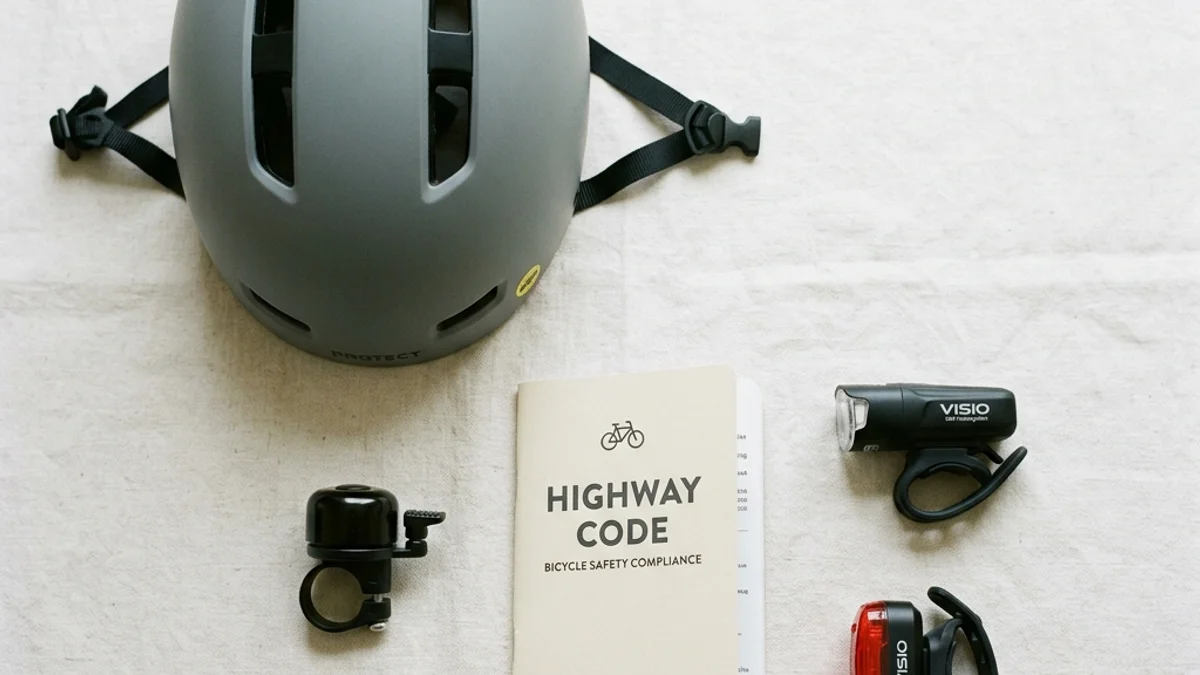
⚡ E-Bikes: Regulatory Classes
- Class 1: Pedal-assist only, max speed 20 mph.
- Class 2: Throttle-assist, max speed 20 mph.
- Class 3: Pedal-assist only, max speed 28 mph, speedometer required.
- Registration: Generally, e-bikes do not require registration, licensing, or special insurance.
Electric bicycles (e-bikes) have surged in popularity, transforming urban commutes and recreational cycling. However, their electric motors raise unique regulatory questions: are they bicycles, mopeds, or motorcycles? To clear up the confusion, the majority of US states and federal agencies have adopted a standardized classification system. Understanding these classes determines where you can legally ride your e-bike and who can ride them.
1. The Three-Class System
The standard model classification separates e-bikes based on their motor assistance type and maximum speed:
- Class 1 E-Bike: Equipped with a motor that provides assistance only when the rider is pedaling, and ceases to provide assistance when the bicycle reaches 20 mph.
- Class 2 E-Bike: Equipped with a throttle-actuated motor that can propel the bicycle without pedaling, but ceases to assist when the bicycle reaches 20 mph.
- Class 3 E-Bike: Equipped with a motor that assists only when the rider is pedaling, and ceases to assist when the bicycle reaches 28 mph. It must also have a speedometer.
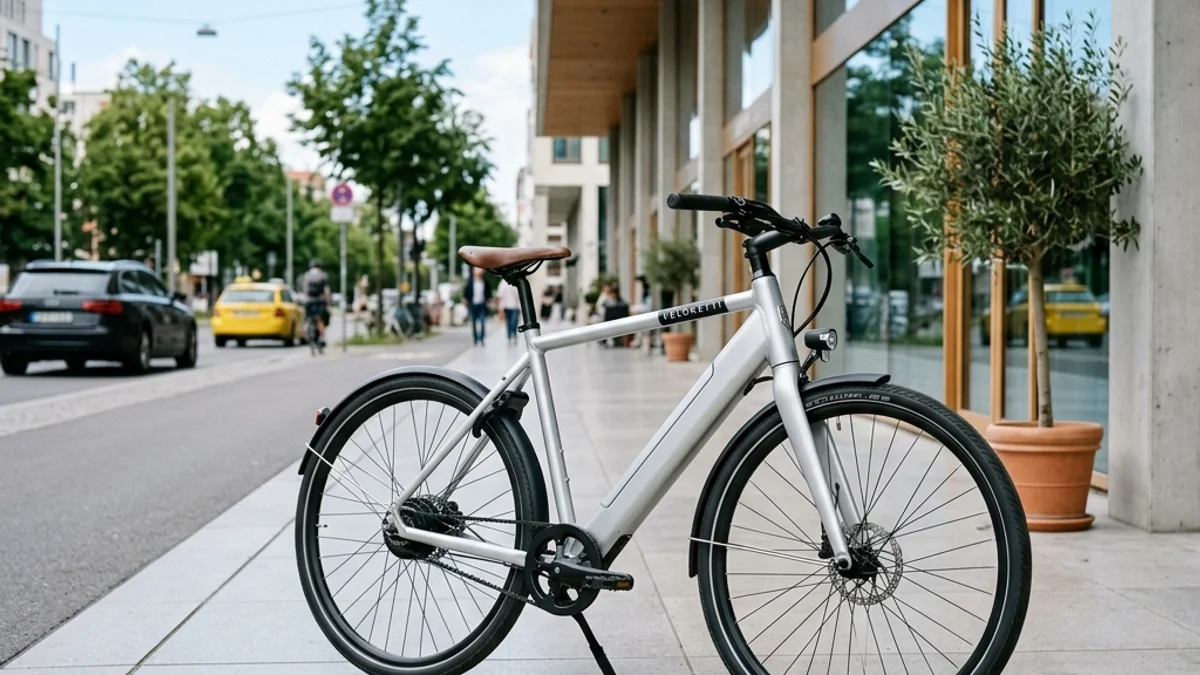
2. Where Can You Legally Ride?
Access rules vary depending on the e-bike class and local jurisdiction. Generally:
- Class 1 and 2 E-Bikes: Typically allowed on traditional bicycle paths, lanes, and multi-use paved trails, as well as regular roads.
- Class 3 E-Bikes: Due to their higher speed, Class 3 e-bikes are often restricted to roadways and bike lanes on roads, and are usually banned from multi-use recreation paths or hiking trails.
"National Parks and federal public lands have their own rules. Generally, e-bikes are allowed wherever traditional bicycles are, but individual park superintendents hold authority to restrict them on specific non-motorized trails."
Frequently Asked Questions
Do I need a driver's license or insurance for an e-bike?
No. In the vast majority of states, e-bikes that fit into the three-class system do not require registration, a driver's license, license plates, or auto insurance. If the motor exceeds 750W or the e-bike goes faster than 28 mph, it may be classified as a moped or motorcycle, requiring licensing.
Are there age limits or helmet requirements?
Yes. Many states prohibit anyone under 16 from operating Class 3 e-bikes. Additionally, while adult helmet laws for traditional bicycles are rare in the US, many states mandate helmets for all riders of Class 3 e-bikes regardless of age. We always recommend wearing a certified helmet regardless of class or state requirements.