🚲 Bicycle Safety: Core Compliance
- Ride Direction: Always ride in the same direction as vehicle traffic (never against it).
- Night Riding: White front light and red rear reflector/light required in all states.
- Helmets: No federal law; state laws focus primarily on minors under 16/18.
- Sidewalks: Often regulated by local city ordinances; frequently prohibited in business districts.
Whether you ride a bike for fitness, environmental reasons, or daily transport, staying safe and legal is paramount. Bicycle safety is governed by a combination of state traffic laws and local municipal codes. Understanding these rules protects you from traffic citations and reduces the risk of serious collisions. This article outlines the essential equipment and road rules every cyclist should follow.
1. Mandatory Safety Equipment
Most states mandate specific equipment to ensure you are visible and capable of stopping safely:
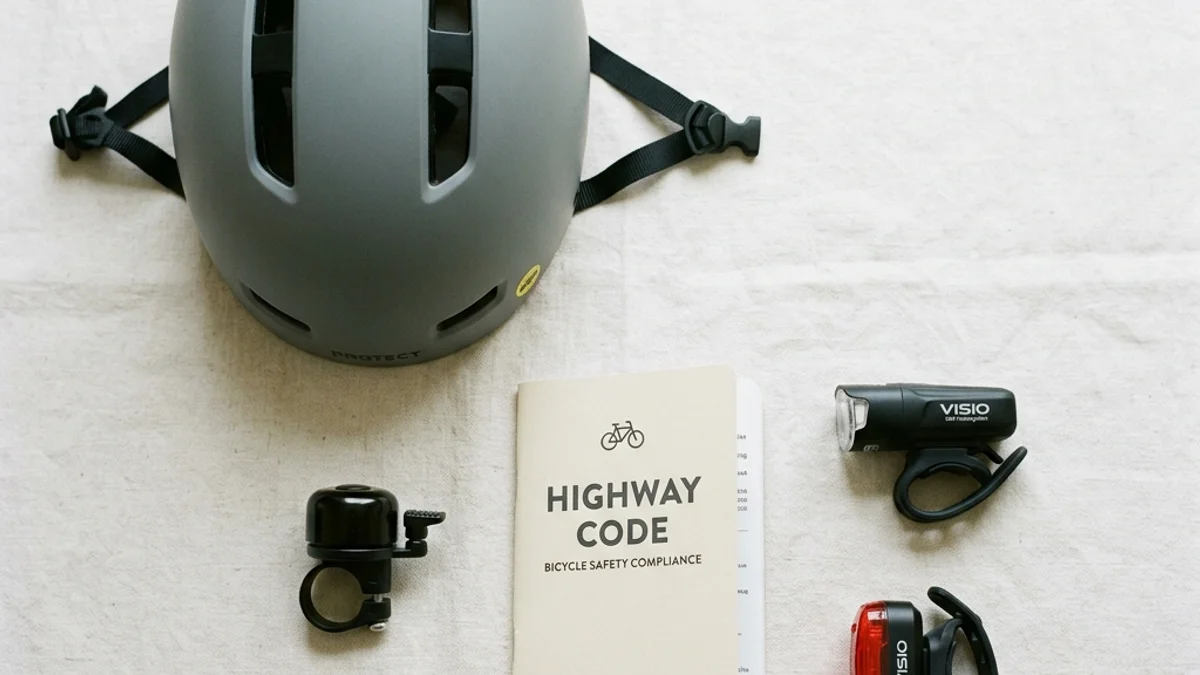
- Lights and Reflectors: When riding after sunset or before sunrise, almost all states require a white light on the front visible from at least 500 feet and a red reflector or light on the rear.
- Brakes: Your bicycle must be equipped with a braking system that allows you to make a clean, dry, one-wheeled skid on clean pavement.
- Bells and Horns: Some jurisdictions (like New York) require a bell or audible warning device to alert pedestrians and other cyclists.
2. Rules of the Road
Since bicycles are vehicles, cyclists are subject to standard traffic rules. Key rules to remember include:
- Ride with Traffic: Ride in the same direction as traffic, as far to the right as practicable. You can take the full lane if it is unsafe to share, if you are turning left, or if you are matching the speed of traffic.
- Obey Traffic Controls: Cyclists must obey all stop signs, red lights, and yield markings just like any other vehicle.
- Use Hand Signals: Signaling your turns (left arm straight out for left, left arm bent up for right, left arm bent down for stopping) informs drivers of your intentions, reducing collision risks.
"The Idaho Stop is a law that allows cyclists to treat stop signs as yields and red lights as stop signs. While active in states like Idaho, Delaware, and Colorado, it is not nationwide. You must follow the laws of the specific state you are riding in."
Frequently Asked Questions
Is it illegal to ride a bicycle on the sidewalk?
It depends entirely on local ordinances. While some states allow it, many cities explicitly ban sidewalk cycling in commercial or downtown business zones because of the hazard it poses to pedestrians. Check your municipal code for local details.
Can I get a DUI on a bicycle?
Yes. In many states (such as California and Ohio), operating a bicycle under the influence of alcohol or drugs is a misdemeanor offense and can result in significant fines or jail time, even though it may not affect your driver's license points.